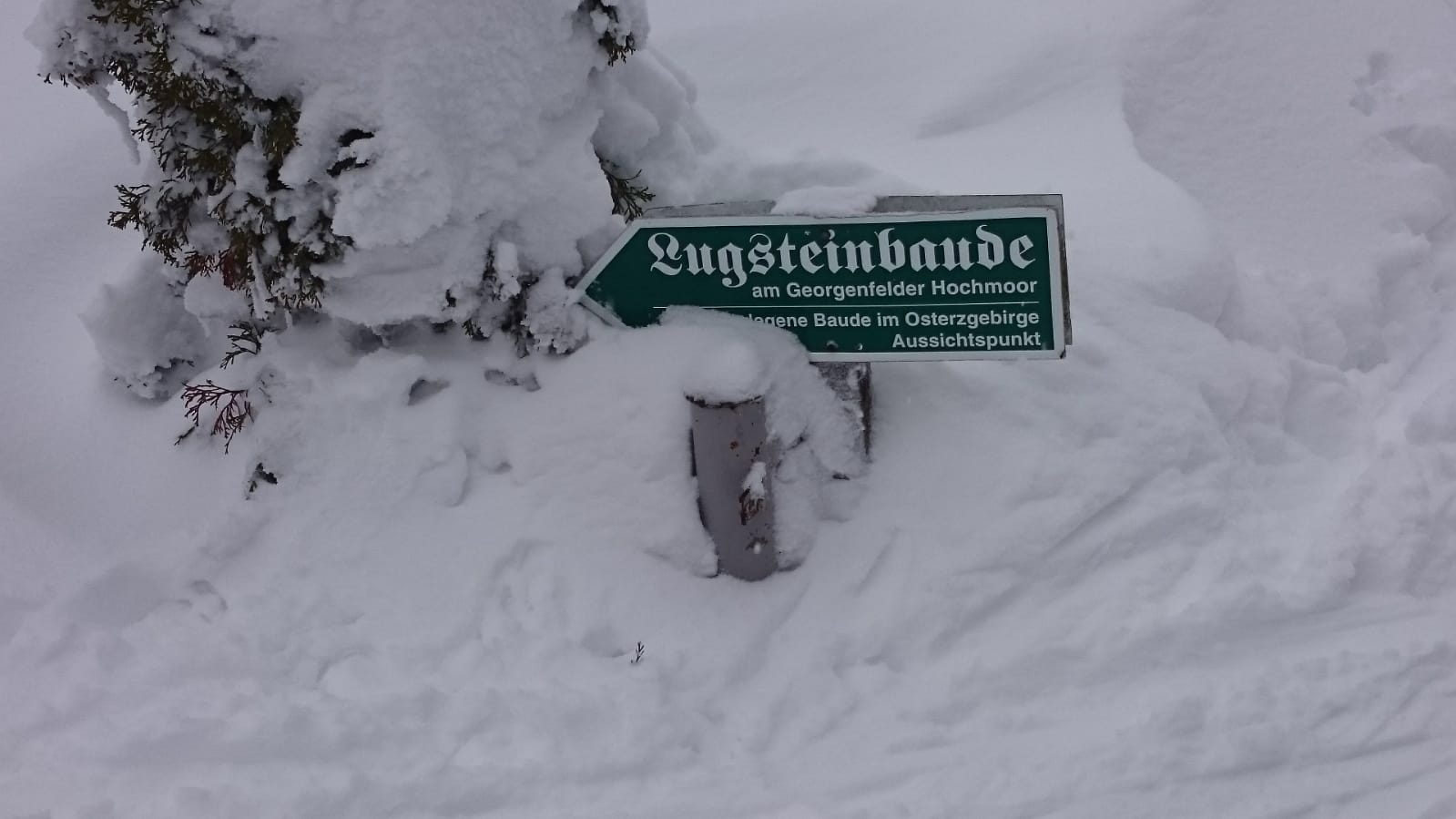
Bei bedecktem Himmel und 4°C Lufttemperatur haben sich 151 Magemutige in den 3 °C kalten Fluten des Heidesees gestürzt. Leider waren nur 4 Saaleschwimmer im Wasser !
Gut nass hurra !
Video „dubisthalle“
Saaleschwimmer Halle e.V.
Bei bedecktem Himmel und 4°C Lufttemperatur haben sich 151 Magemutige in den 3 °C kalten Fluten des Heidesees gestürzt. Leider waren nur 4 Saaleschwimmer im Wasser !
Gut nass hurra !
Video „dubisthalle“
Die Saaleschwimmer haben ein Benfizschwimmen am 22.07.2018 durch die Saale von Böllberg bis zur Kröllwitzer Brücke durchgeführt.
Dabei haben sie 120 € gesammelt. Am 26.10.2018 wurde dem Kindergarten “ Villa Jühling e. V.“ einen Scheck von 120 € übergeben !
Emergency shutdowns rarely happen because of dramatic disasters. More often, they are triggered by a simple oversight—one that businesses underestimate until operations are abruptly halted. These shutdowns are especially frustrating because they feel sudden, yet they are usually the result of predictable and preventable conditions.
Organizations that want to avoid this disruption often pause to see more about fire safety and fire watch services that help maintain compliance and protection during high-risk periods, particularly when standard systems are not fully operational.
The easiest way to trigger an emergency shutdown is continuing operations while critical safety systems are impaired, without implementing compensating measures. Fire alarms, sprinkler systems, and detection equipment are assumed to be active at all times, but in reality, they are frequently offline due to:
Scheduled maintenance or inspections
System upgrades or replacements
Construction or renovation projects
Electrical outages or equipment failure
When these systems are unavailable, the risk level increases immediately—even if everything “looks fine.”
Inspectors, fire marshals, and safety officials are trained to act quickly when they encounter impaired systems. From their perspective, there is little room for delay because:
Fire risk is elevated
Occupants may not be adequately protected
Emergency response capabilities are reduced
Liability increases if an incident occurs
As a result, shutdowns are often immediate, with no grace period to “fix it later.”
Many emergency shutdowns are followed by the same explanation: the issue was short-term. Unfortunately, temporary conditions do not reduce risk—they often increase it. During system downtime:
Hazards may go undetected
Human monitoring replaces automated protection
Normal operations continue under reduced safeguards
Temporary does not mean acceptable in the eyes of regulators.
Shutdowns frequently happen because everyone assumes someone else is handling safety. Common assumptions include:
Maintenance teams believe operations have adjusted
Operations staff assume safety systems are still active
Management expects issues to resolve quickly
These assumptions leave gaps that inspectors identify instantly.
Emergency shutdowns are most common during transitional phases such as:
Active construction or remodeling
Hot work involving welding or cutting
Temporary electrical installations
Phased fire system upgrades
These periods demand heightened safety measures, yet they are often treated as routine.
Once operations stop, the impact is immediate and costly. Businesses may face:
Lost revenue and productivity
Idle labor and equipment
Missed deadlines or contract penalties
Increased insurance scrutiny
Damage to reputation and trust
All of this can result from a single overlooked safety requirement.
Avoiding emergency shutdowns isn’t about reacting faster—it’s about planning better. Organizations that stay operational typically:
Anticipate when systems will be impaired
Implement interim safety measures
Assign clear responsibility for monitoring
Treat temporary conditions as high-risk, not minor inconveniences
These steps prevent small gaps from becoming operational disasters.
The easiest way to trigger an emergency shutdown is assuming it won’t happen. Safety gaps don’t announce themselves, and inspectors don’t ignore them.
Businesses that recognize this reality plan ahead, protect their people, and maintain continuity even when conditions change. Emergency shutdowns are rarely unpredictable—they’re the result of missed preparation. Addressing that preparation early is the key to keeping operations running without interruption.